Feeling Safe Online
Lessons in self-identity and online relationships are the bedrock of effective digital citizenship. By first learning to manage their digital footprint, privacy, and online empathy, students become confident and secure users.
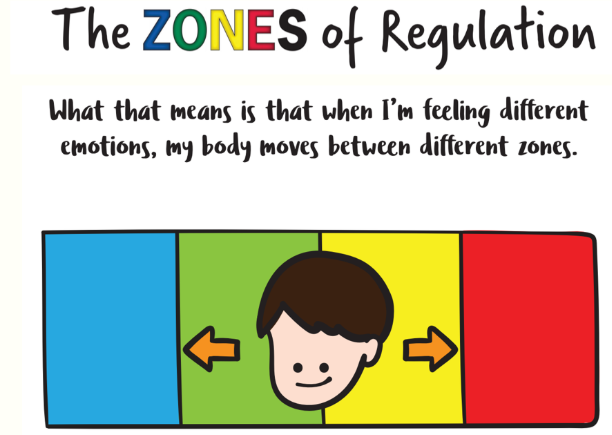
Regulated Responses - EYFS
In EYFS, children learn to respond to somebody who makes them feel sad or upset. They identify simple examples of their personal information and discuss the people they can trust with this.
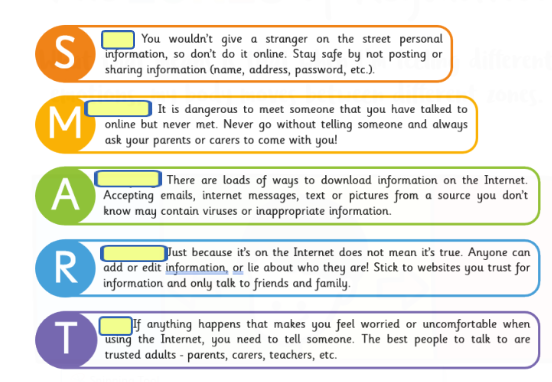
Self Aware and Care - KS1
Year 1 students explored self-identity, learning how people online or in person can make us feel upset. They practiced how to respond to requests and when to ask for help. They learned the internet is for communicating, why it's vital to be kind online, and the difference between known and unknown contacts.
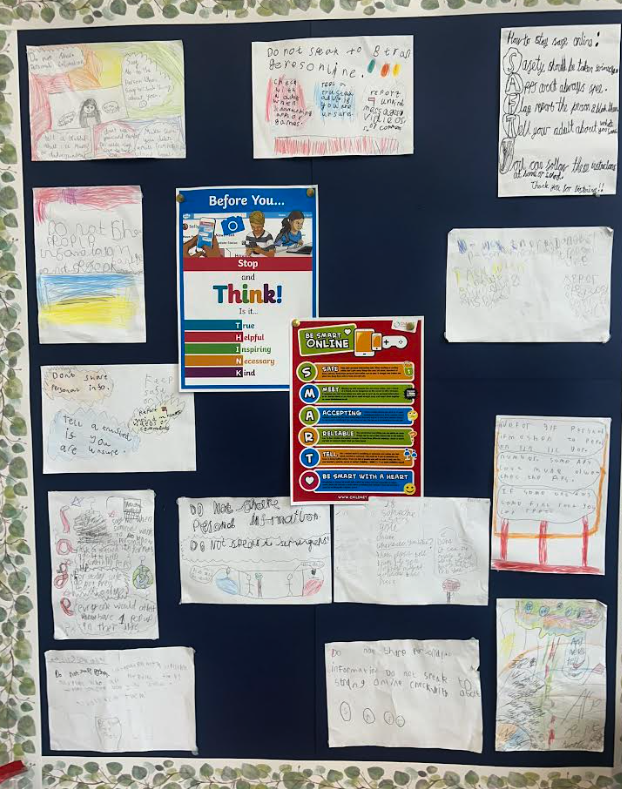
Staying Safe While Surfing - LKS1
Year 3 learned that online identities (via avatars or gaming) may differ from real life. They explored online communities and communication risks, understanding the difference between knowing someone online is different from offline. Students identified strategies for safe, fun experiences and know when to seek help if they feel sad or embarrassed.
Sleep Soundly, Surf Safely - UKS2
Year 5 analyzed technology's impact on sleep and learned improvement strategies. They examined how online identity (filters, media, gender roles) differs from real life and how to get help. They also developed privacy skills: keeping info private, using secure passwords, and spotting scams or impersonation.